


-
Application
-
Advanced Processing Industry
-
Other
- SCARA Vision-Guided Screw Tightening System
- Automotive Anti-Collision Beam Production Line
- Toroidal Winding Machine
- High-Voltage Wiring Harness Automated Production Line
- Transfer coating machine
- SiC Laser Stripping Machine
- Nut bending integrated machine
- Laser Rounding Machine
- Magnetic Drive Conveyor System
- GasSafe Intelligent Monitoring System Solution for Hazardous Gases
- Tobacco Packaging Production Line
- MTR Spring Testing and Storage
- Silicon steel sheet cutting machine
- Postal logistics sorting line
- Ink key equipment
- Finished cigarette packaging equipment
- Energy storage coordination controller
- Fully automatic lens thickness detection equipment
- Fully automatic dual station laser merging and coding machine
- Medium thick mirror detection equipment
- Tobacco packaging equipment
- Robotics Industry
- CNC Industry
-
Other
- Energy Industry
- Semiconductor Industry
-
Advanced Processing Industry

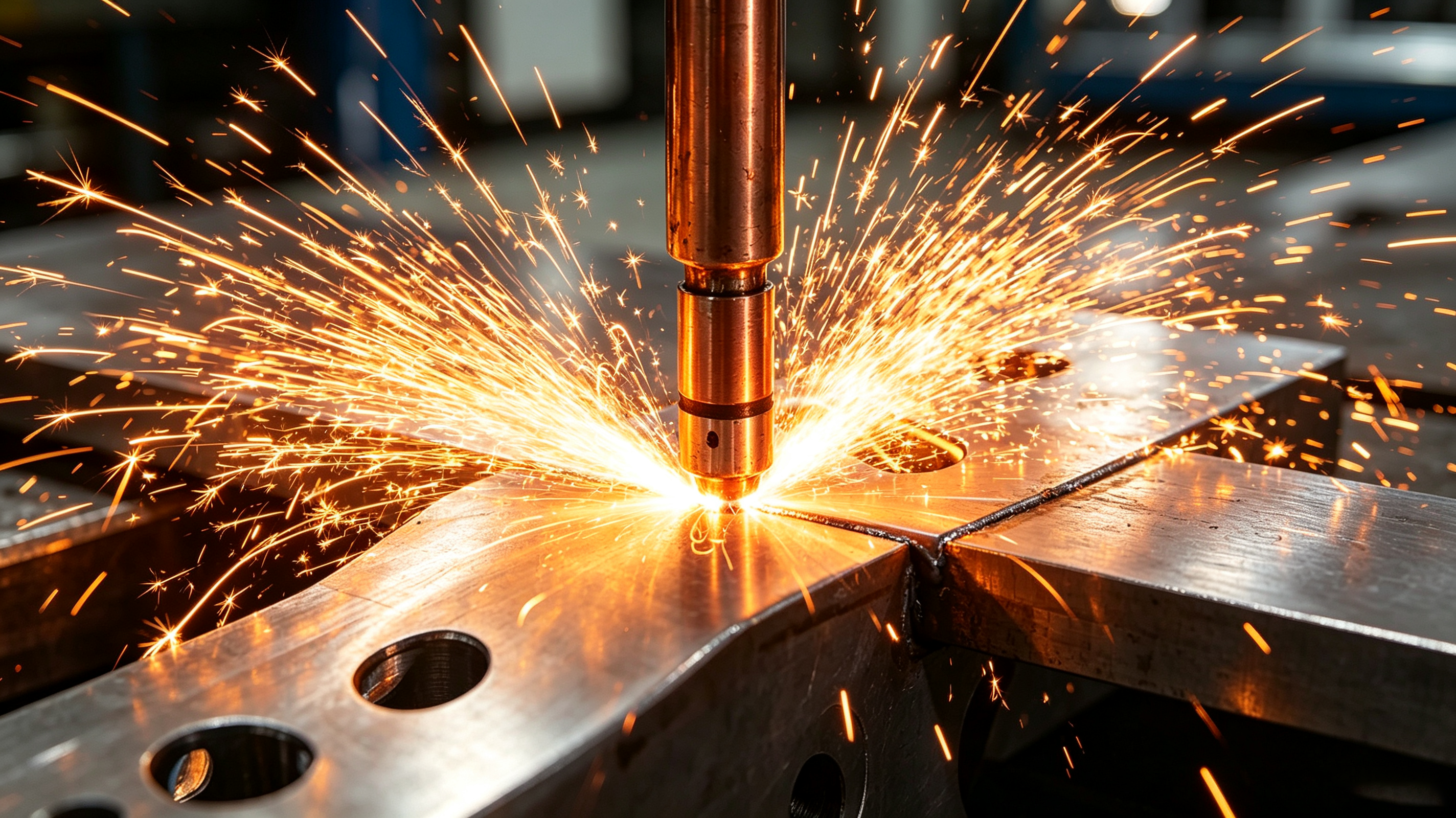
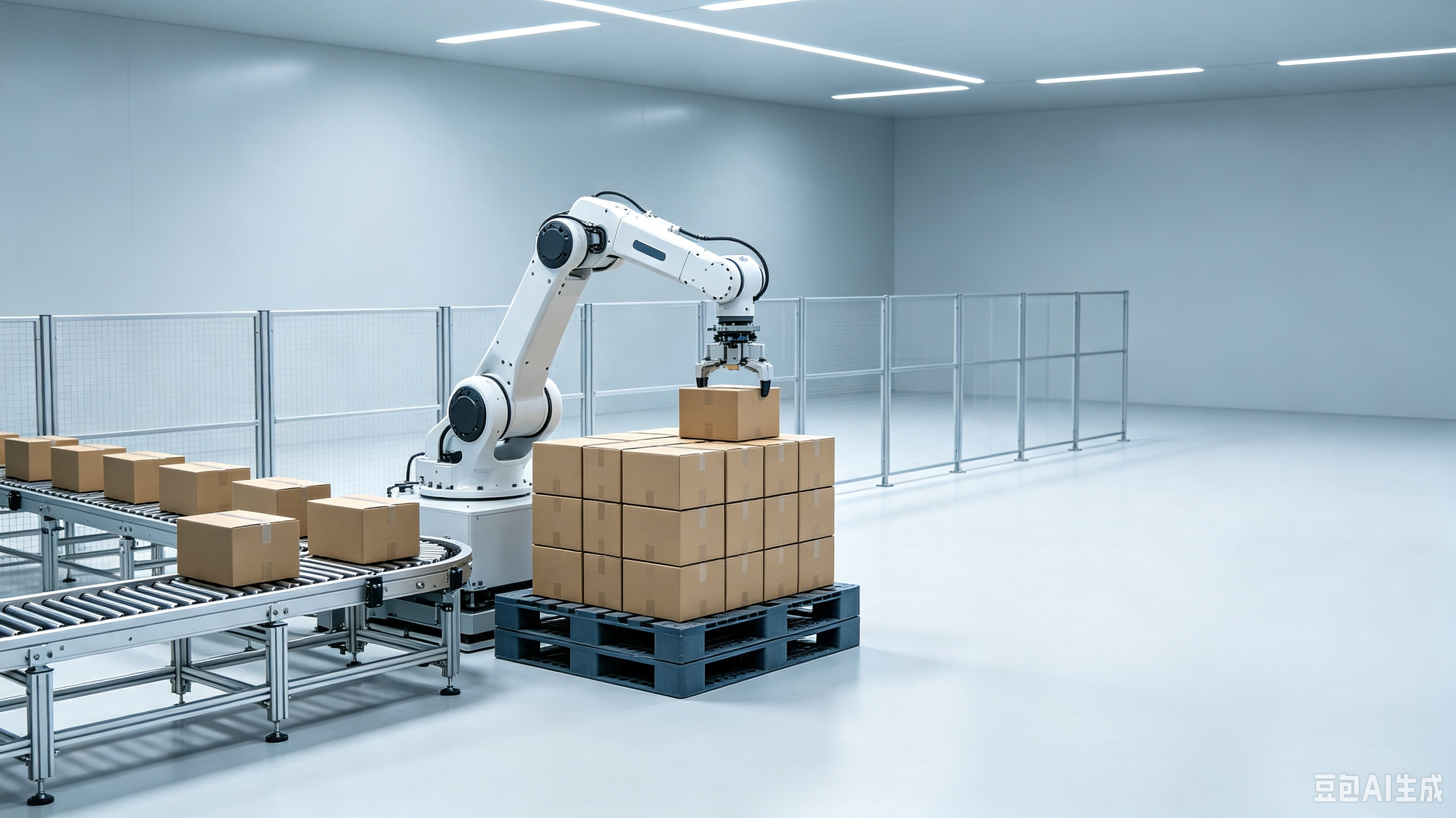
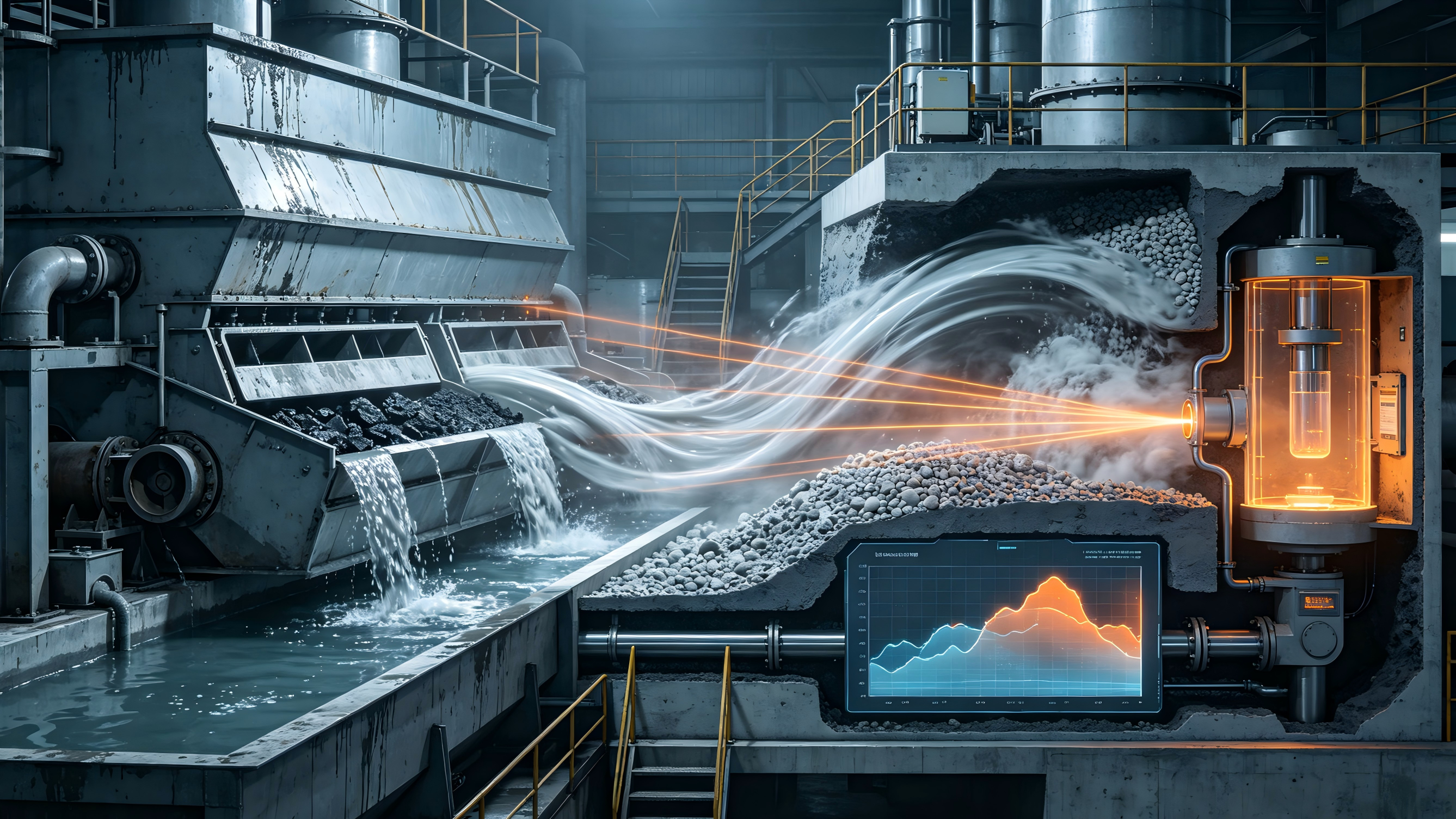


Precision Welding Vision Inspection & Positioning System
Industry Case Background
Resistance welding is one of the core joining processes in manufacturing scenarios such as automotive components, 3C electronics, hardware and home appliances. As high-mix low-volume production becomes the industry norm, pain points of traditional resistance welding solutions have become increasingly prominent: isolated vision and control systems, uncontrollable pre-weld quality, low product changeover efficiency, and difficult troubleshooting.
To address these common industry challenges, Sinsegye has developed a precision welding vision inspection and positioning system solution. Built on the integrated computing-and-control architecture of the iComputer platform, the solution deeply integrates visual perception, real-time control and human-machine interaction, providing an integrated intelligent upgrade for resistance welding production lines.
Core Pain Points
- Siloed architecture with sluggish response:Vision positioning and welding control run on separate devices. Recognition results are transmitted via industrial Ethernet, which introduces communication latency and protocol adaptation costs, making it difficult for high-cycle production lines to correct incoming material offsets in a timely manner.
- Reactive quality control limited to sampling inspection:The welding torch operates strictly based on preset coordinates, so incoming material offsets and fixture errors cannot be corrected before welding. Defects such as cold welds, position deviation and missing welds can only be detected through post-weld manual sampling inspection, leading to delayed detection and no point-by-point traceability.
- Cumbersome product changeover with low efficiency:New product introduction requires separate parameter entry and individual commissioning across vision, control and HMI systems. Product switching also relies on manual configuration verification, which is error-prone and time-consuming.
- Decentralized faults with high downtime losses:The vision, control and HMI subsystems operate independently without unified health monitoring. A single-point failure can easily trigger a full line shutdown, and troubleshooting and fault localization rely heavily on manual experience.
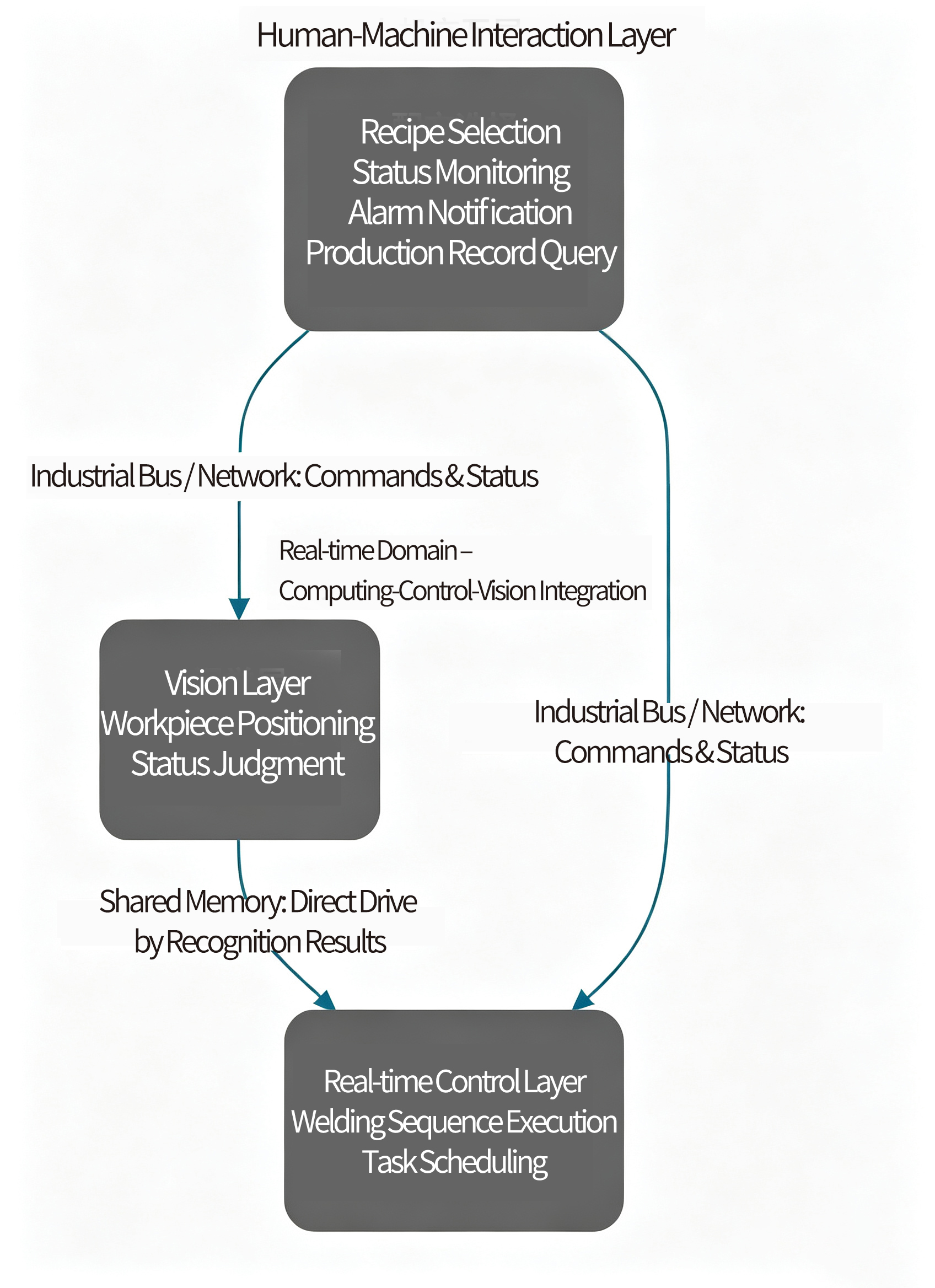
Scene Architecture Diagram
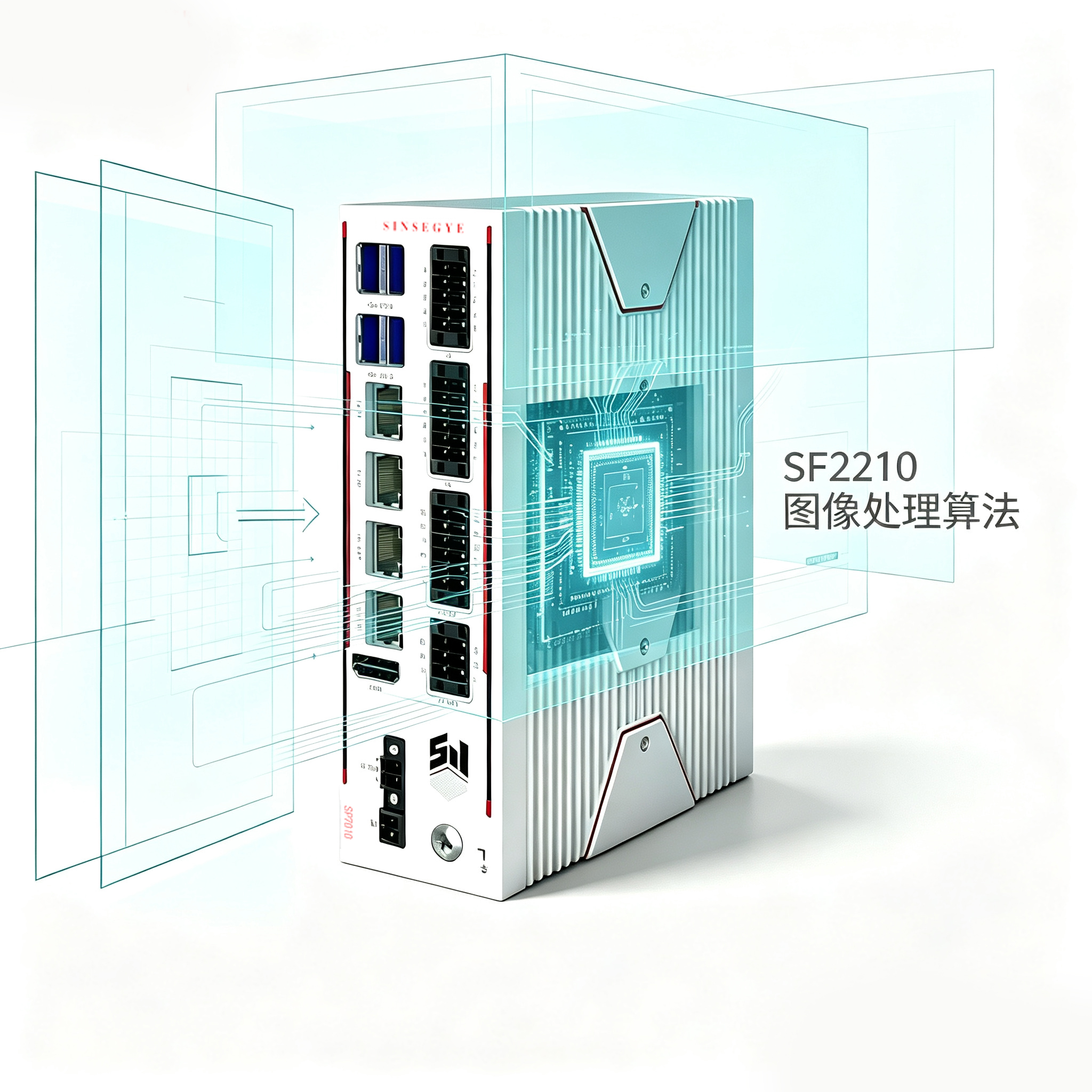
AI-generated technical schematic. For illustration purposes only; final product is subject to actual specifications.
Advantages of Sinsegye's Solution
1、Integrated Computing, Control & Vision
A single Industrial Intelligent PC replaces three separate devices: PLC, vision controller and industrial PC. It cuts hardware quantity and system integration workload, shortening development cycles by approximately 60% and reducing overall hardware costs by roughly 30%.
2、Index Breakthroughs
Within one Industrial Intelligent PC from Sinsegye, vision algorithms and motion control run in isolated domains on MetaOS, eliminating network latency entirely. Once the vision module identifies workpiece pose, it directly drives full closed-loop motion planning.
3、Open & User-Friendly
The dual-domain architecture of MetaOS enables deployment of any AI frameworks including PyTorch, TensorFlow and OpenCV in the Windows domain. Customers with self-developed or third-party vision algorithms can deploy programs directly on the Industrial Intelligent PC, without purchasing extra dedicated vision IPCs.