



-
Application
-
Advanced Processing Industry
-
Other
- SCARA Vision-Guided Screw Tightening System
- Automotive Anti-Collision Beam Production Line
- Toroidal Winding Machine
- High-Voltage Wiring Harness Automated Production Line
- Transfer coating machine
- SiC Laser Stripping Machine
- Nut bending integrated machine
- Laser Rounding Machine
- Magnetic Drive Conveyor System
- GasSafe Intelligent Monitoring System Solution for Hazardous Gases
- Tobacco Packaging Production Line
- MTR Spring Testing and Storage
- Silicon steel sheet cutting machine
- Postal logistics sorting line
- Ink key equipment
- Finished cigarette packaging equipment
- Energy storage coordination controller
- Fully automatic lens thickness detection equipment
- Fully automatic dual station laser merging and coding machine
- Medium thick mirror detection equipment
- Tobacco packaging equipment
- Robotics Industry
- CNC Industry
-
Other
- Energy Industry
- Semiconductor Industry
-
Advanced Processing Industry
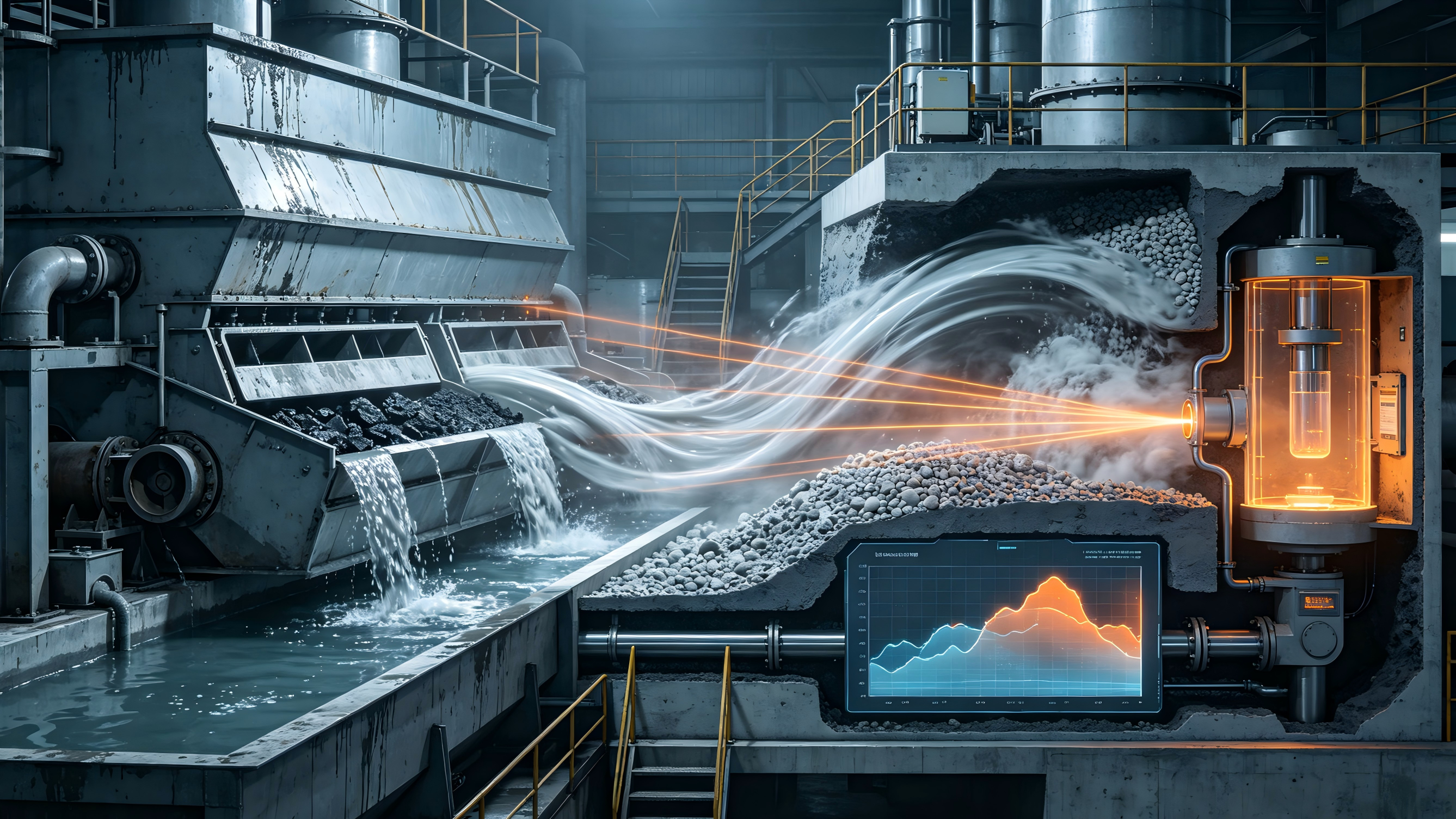
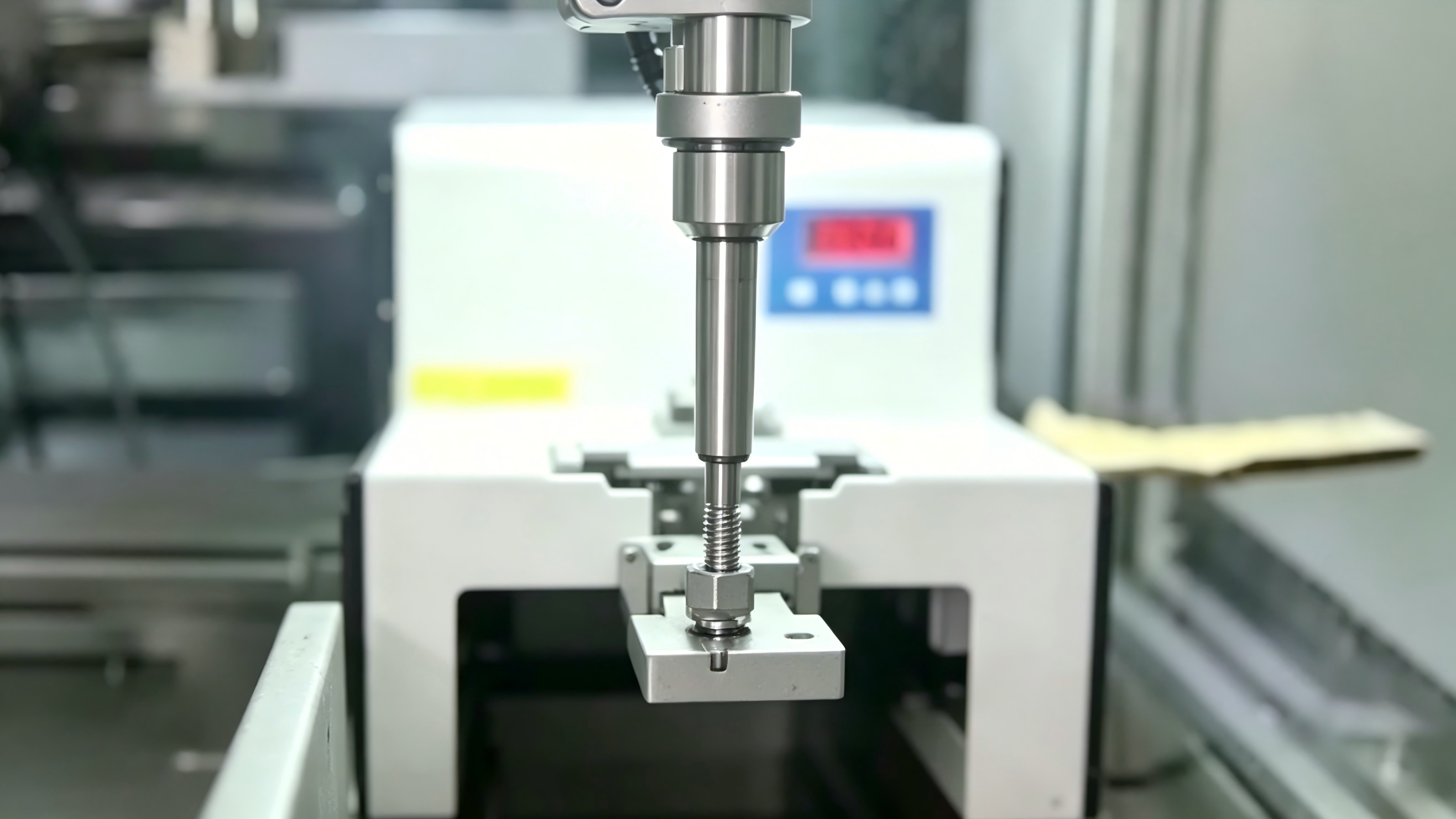
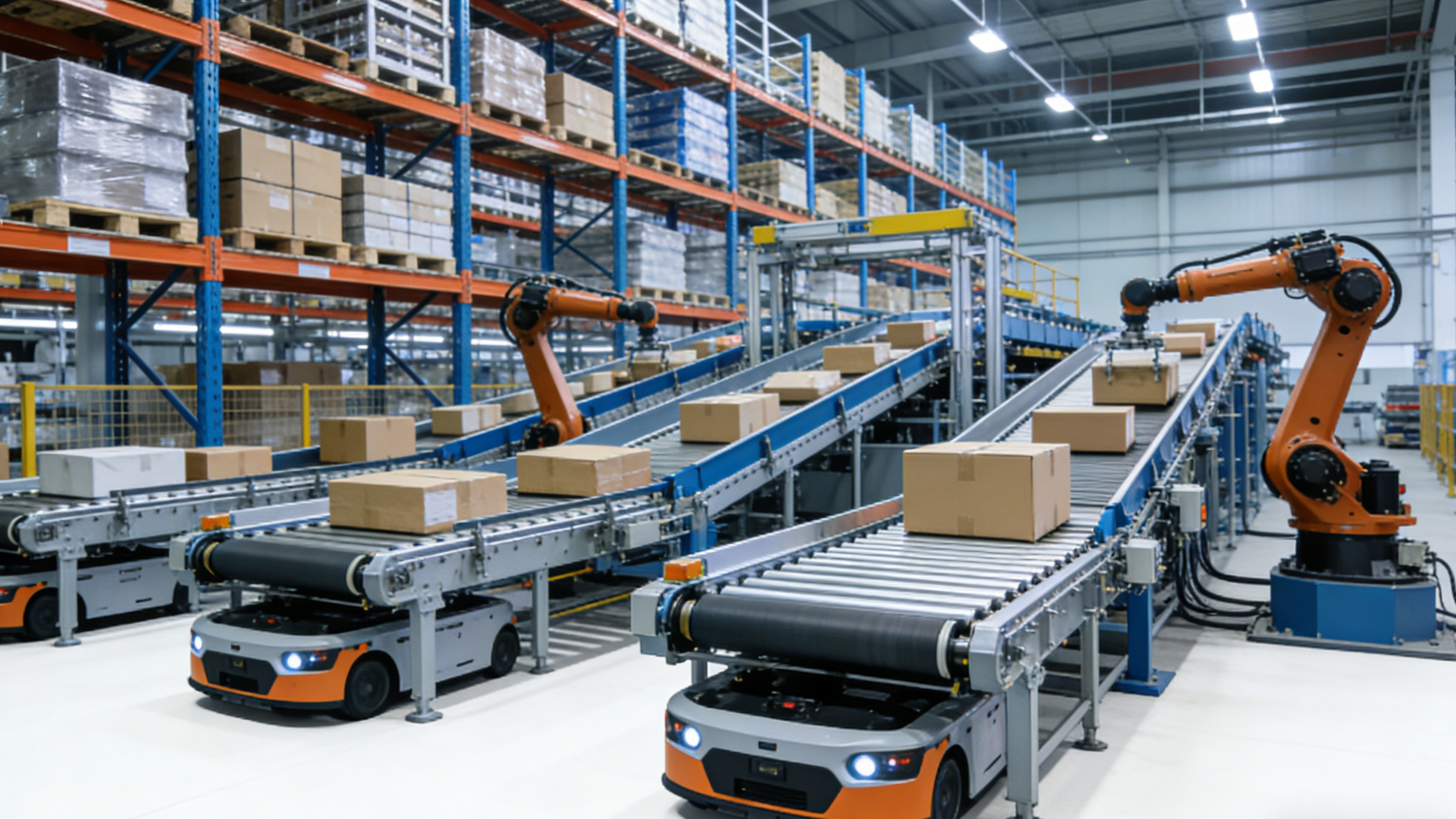
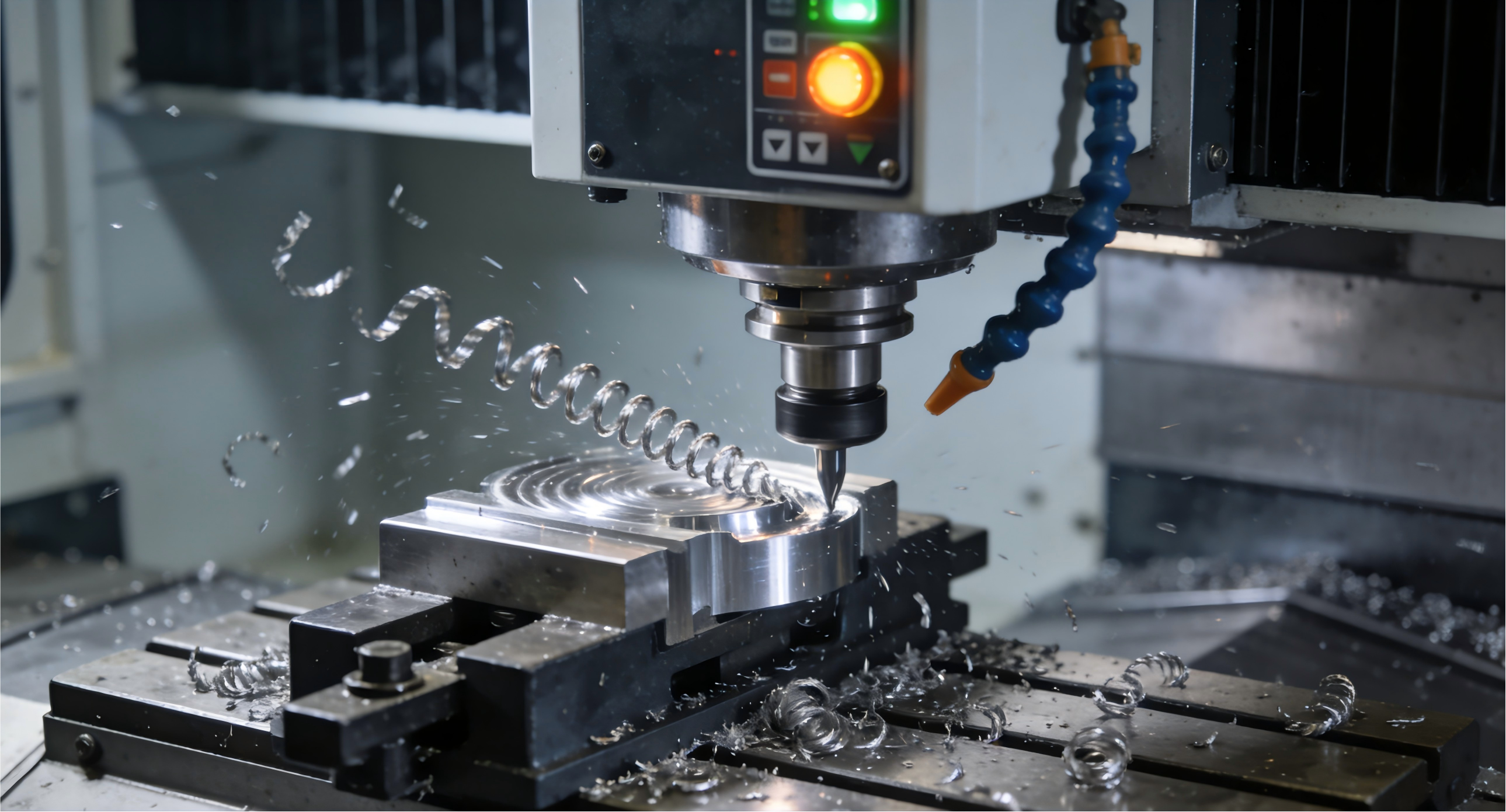
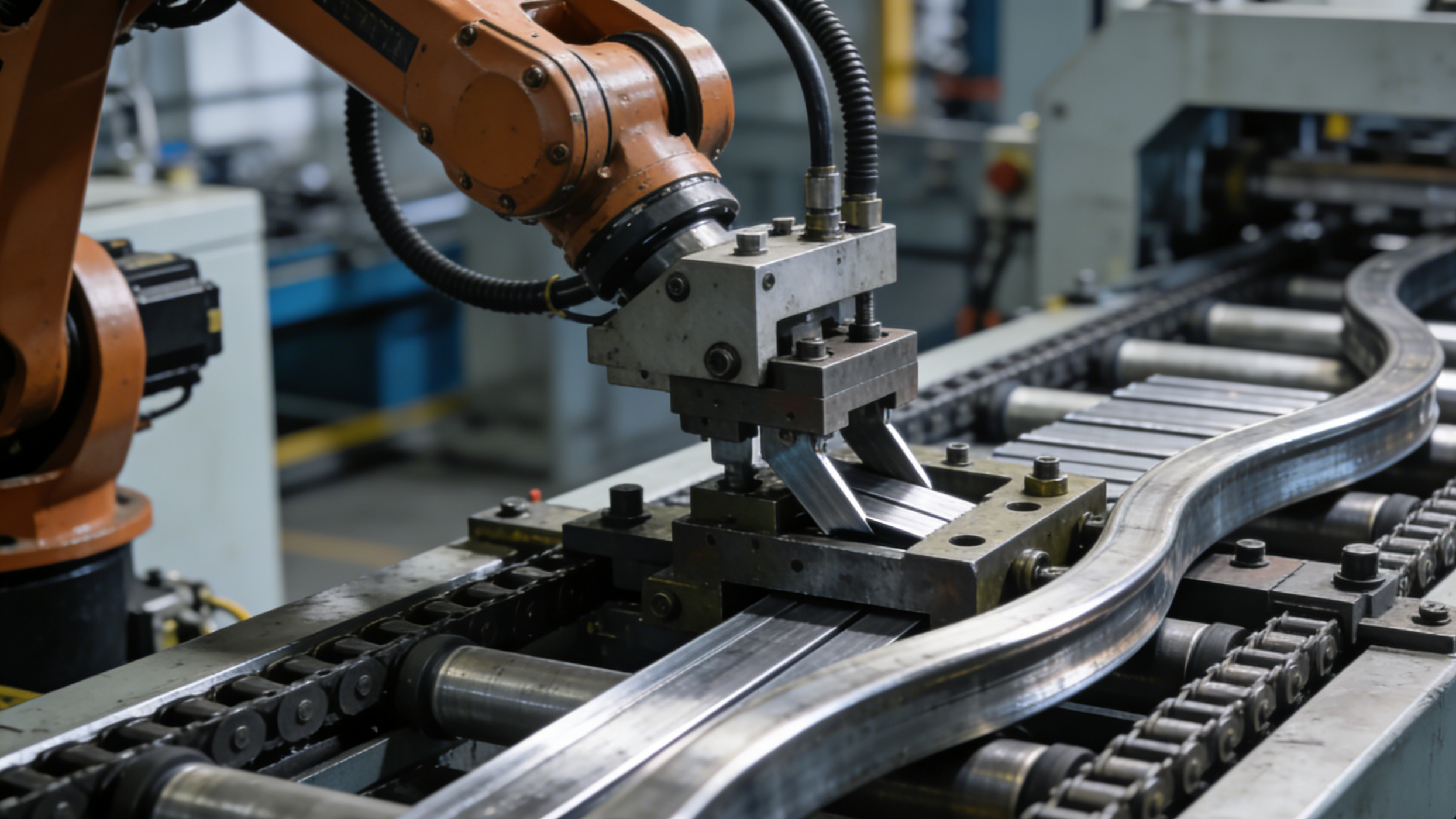
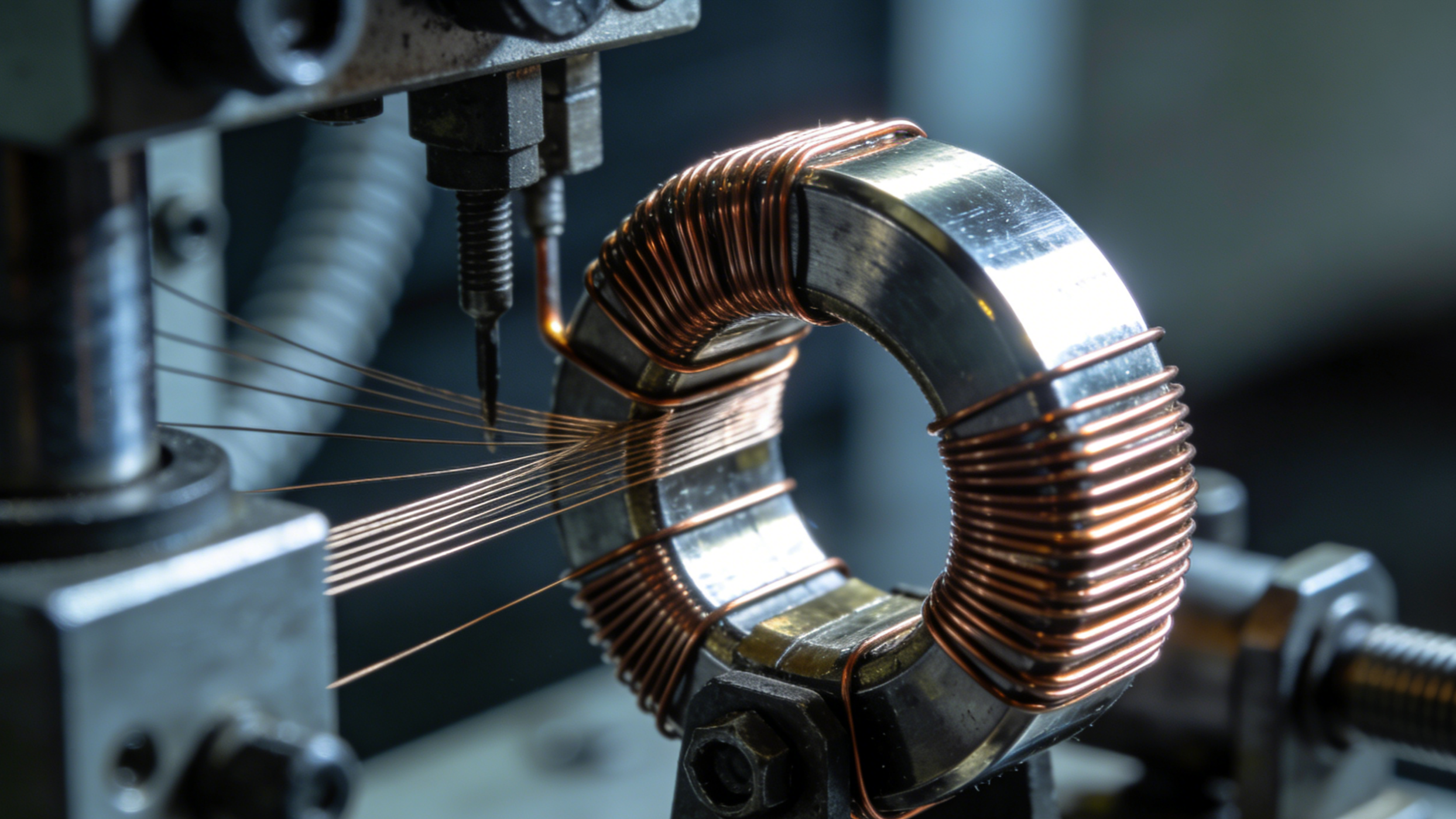
Nut bending integrated machine
Industry Case Background
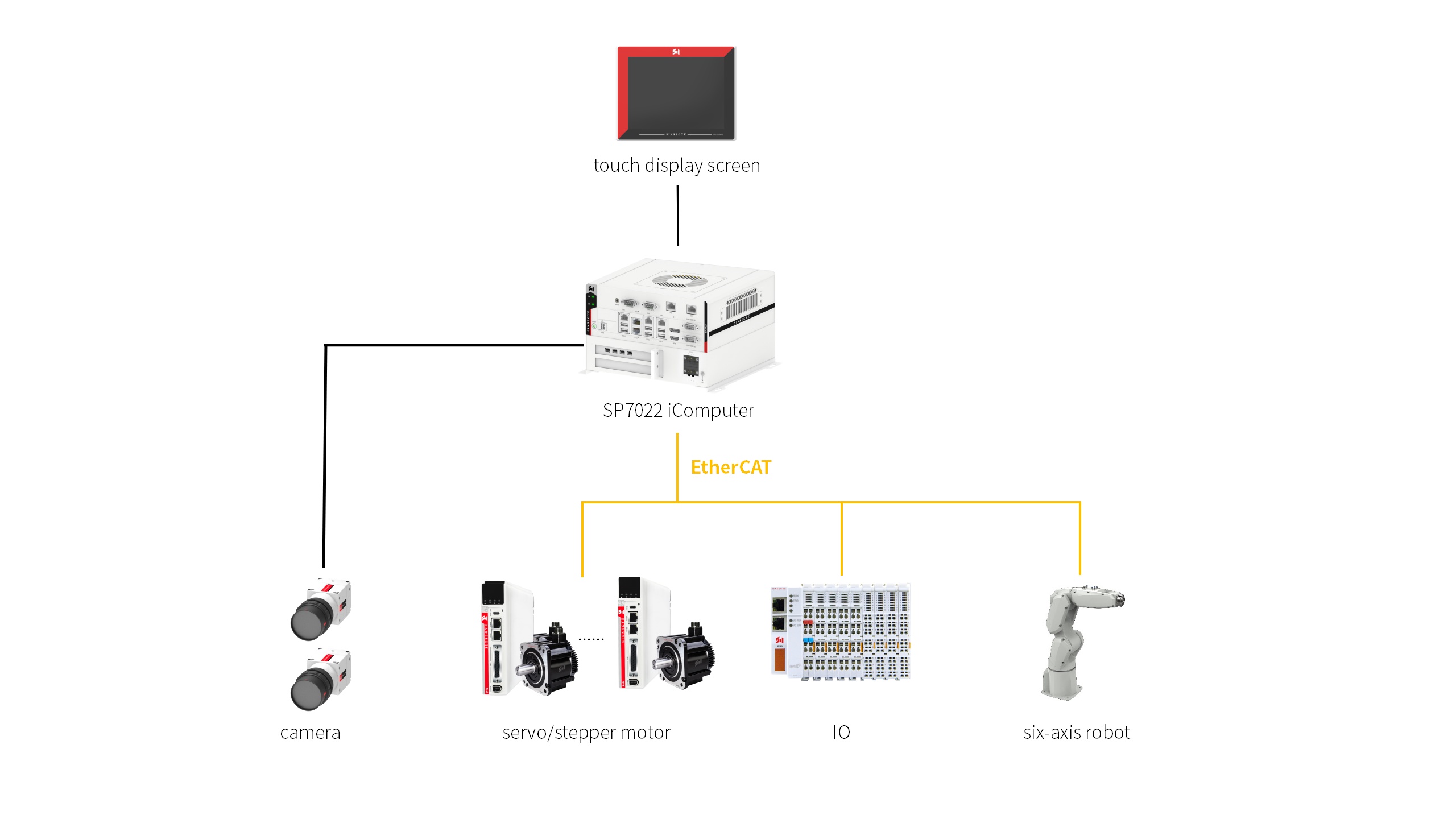
Amid the wave of intelligent transformation in manufacturing, many enterprises are caught in a dilemma between "upgrading" and "cost control" — and this was exactly the case for Sinsegye’s latest client. The nut-sleeving and bending all-in-one machine on their production line, like a "veteran with distinguished service", boasted stable performance yet was somewhat "rigid". Its original closed control system struggled to meet modern demands such as adding robots and integrating visual inspection, becoming an "invisible ceiling" that hindered efficiency improvement. To address this challenge, Sinsegye did not resort to "large-scale demolition and modification" of the equipment. Instead, it implanted a "smart brain" — an integrated Control, Computation, and Vision solution based on the SP7022 iComputer. This solution not only resolved the integration difficulties between robot integration and visual inspection but also opened the door for the client to move towards a future smart factory. It stands as a successful practice of breaking "closure" with "openness" and reducing "complexity" through "integration".
Industry Requirements
Scene Architecture Diagram
Advantages of Sinsegye's Solution
1.Integrated Control and Computation for Cost Reduction
The client no longer needs to purchase dedicated controllers and industrial computers separately for robots, vision, and other functions. A single iComputer handles all tasks, directly reducing hardware procurement costs. Fewer devices result in more compact electrical cabinets, simpler wiring, and fewer failure points — significantly lowering installation/integration difficulties and long-term maintenance costs.
3.User-Friendly and Open
Based on the concept of "software-defined", Sinsegye’s control system acts like a "Lego platform". Clients can freely add functions (such as robots and vision) according to production needs, breaking free from the constraints of "black-box" systems.